

Yo, folks! As a supplier of Low Alloy H Steel, I've seen firsthand how this amazing material is making waves in the offshore industry. In this blog, I'm gonna spill the beans on all the cool applications of Low Alloy H Steel out there in the vast and wild offshore world.
Let's start by getting a bit technical, but I'll keep it as simple as possible. Low Alloy H Steel is a type of steel that has small amounts of alloying elements added to it. These elements give the steel some super - cool properties like high strength, good toughness, and excellent corrosion resistance. Compared to Ordinary Carbon H Steel, Low Alloy H Steel can take a beating and still keep on going, which is a big deal in the harsh offshore environment.
Offshore Platforms
One of the most prominent applications of Low Alloy H Steel is in the construction of offshore platforms. These platforms are like the skyscrapers of the sea, and they need to be tough as nails to withstand the constant battering from waves, wind, and saltwater.
Low Alloy H Steel is used for the structural framework of these platforms. The H - shape of the steel provides excellent load - bearing capacity, which is crucial when you're dealing with heavy equipment, storage facilities, and the weight of the platform itself. The alloying elements in the steel also help it resist corrosion caused by the salty seawater. This means that the platform can last longer without needing a ton of maintenance, which saves a boatload of money in the long run.
Pipelines
Another major use of Low Alloy H Steel in the offshore industry is in pipelines. These pipelines are used to transport oil and gas from the offshore wells to the on - shore facilities. The conditions in these pipelines are pretty extreme. The fluid flowing through them can be at high pressures and temperatures, and the pipelines are constantly exposed to the corrosive effects of the oil, gas, and seawater.
Low Alloy H Steel is a perfect fit for this job. Its high strength allows it to handle the high internal pressures without bursting. And its corrosion resistance means that it won't rust away and cause leaks, which could be a huge environmental and economic disaster. Some pipelines are even buried under the seabed, and Low Alloy H Steel can withstand the external pressure from the water and the soil around it.
Jackets and Piles
Jackets are the large, lattice - like structures that support the offshore platforms. They are usually made up of a series of steel tubes and beams, and Low Alloy H Steel is often used for these components. The jackets need to be able to support the weight of the platform and withstand the forces of the waves and wind. Low Alloy H Steel's strength and toughness make it ideal for this purpose.
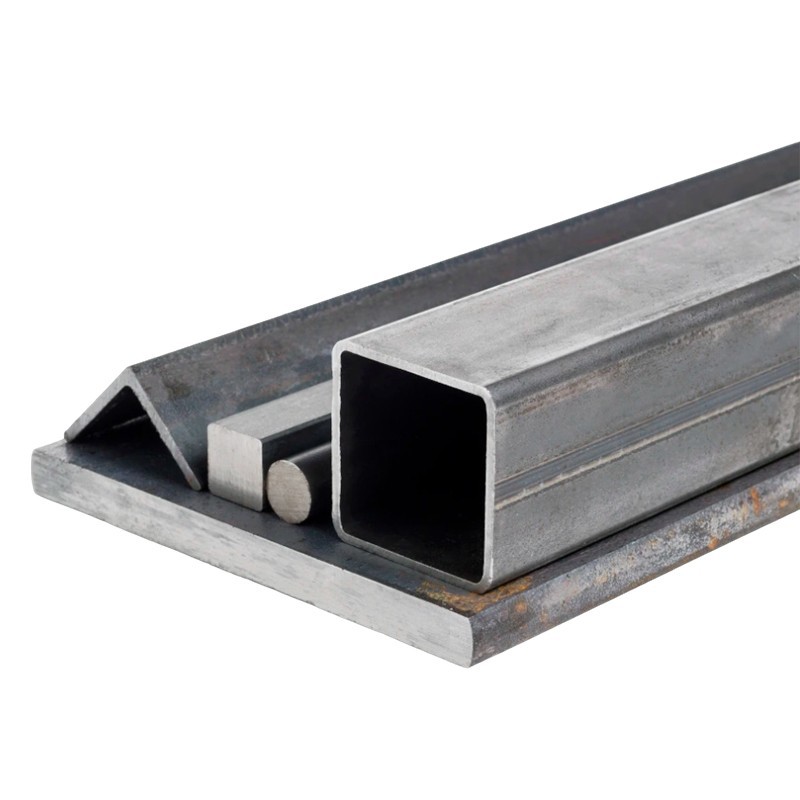

Piles are also an important part of the offshore infrastructure. They are driven into the seabed to provide a stable foundation for the platforms and other structures. Low Alloy H Steel piles can penetrate deep into the seabed and hold the structure firmly in place. The alloying elements in the steel make it resistant to the wear and tear that occurs during the pile - driving process and the long - term exposure to the seabed environment.
Floating Structures
The offshore industry also has a lot of floating structures like floating production storage and offloading (FPSO) vessels. These vessels are like floating factories that process and store the oil and gas produced from the offshore wells.
Low Alloy H Steel is used in the construction of these floating structures. The H - shaped steel provides the necessary strength and stability for the vessel's hull and internal structures. And since these vessels are constantly moving on the waves, the steel needs to be tough enough to handle the dynamic loads. The corrosion resistance of Low Alloy H Steel is also a big plus, as it ensures that the vessel can operate in the harsh marine environment for a long time.
Comparison with Other Materials
You might be wondering why we don't just use other types of steel or materials in these offshore applications. Well, let's take a quick look at some alternatives.
Ordinary Carbon H Steel is a cheaper option, but it doesn't have the same level of corrosion resistance as Low Alloy H Steel. In the offshore environment, it would rust quickly and require frequent repairs or replacements. This would increase the overall cost of the project and could also lead to safety issues.
Low Alloy I Beam is similar to Low Alloy H Steel, but the H - shape has some advantages. The H - shape provides better load - distribution in both the vertical and horizontal directions, which is important for the complex structural requirements of offshore structures.
Round Bar SUS316 is a stainless steel, which is known for its excellent corrosion resistance. However, it's often more expensive than Low Alloy H Steel, and its strength - to - cost ratio might not be as good for large - scale offshore projects.
Future Outlook
The future looks bright for Low Alloy H Steel in the offshore industry. As the demand for oil and gas continues to grow, more and more offshore projects are being planned. These projects will require high - quality, durable materials like Low Alloy H Steel.
There's also a growing focus on environmental sustainability in the offshore industry. Low Alloy H Steel's long lifespan and reduced need for maintenance mean that it has a lower environmental impact compared to some other materials. This makes it an even more attractive option for future offshore developments.
Conclusion
So, there you have it, folks! Low Alloy H Steel is a real game - changer in the offshore industry. Its unique combination of strength, toughness, and corrosion resistance makes it perfect for a wide range of applications, from offshore platforms and pipelines to jackets and floating structures.
If you're involved in an offshore project and you're looking for a reliable and cost - effective material, Low Alloy H Steel is the way to go. I'm here as your supplier, ready to provide you with the best - quality Low Alloy H Steel for your needs. Don't hesitate to reach out and start a conversation about your project requirements. Let's work together to make your offshore project a success!
References
- "Offshore Structural Engineering" by M. R. Garrett
- "Corrosion in the Oil and Gas Industry" by R. N. Parkins
- Industry reports from major offshore engineering firms
