

In the vast expanse of the marine industry, where durability and reliability are not just preferences but necessities, the choice of materials is a decision that can significantly impact the success and safety of any project. As a supplier of ordinary carbon angle steel, I am often confronted with a question that strikes at the heart of this material selection process: Can ordinary carbon angle steel be used in the marine industry? In this blog, we will explore this question in depth, weighing the pros and cons, and determining the viability of ordinary carbon angle steel for marine applications.
Understanding Ordinary Carbon Angle Steel
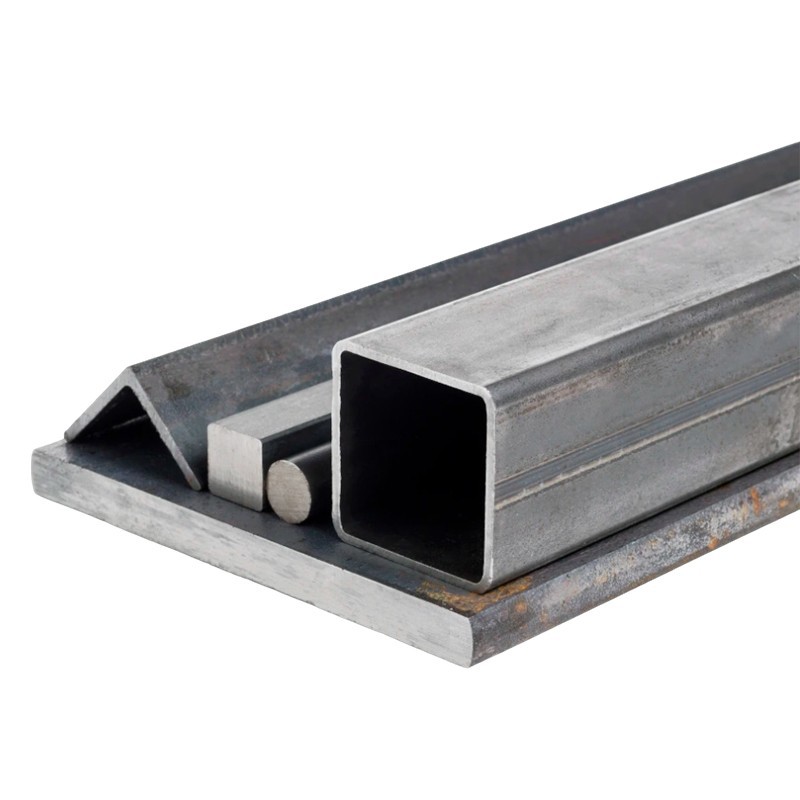
Ordinary carbon angle steel is a commonly used structural steel product with a characteristic L-shaped cross - section. It is primarily composed of iron and carbon, with relatively small amounts of other elements. The carbon content typically ranges from 0.05% to 0.30%, which gives it certain mechanical properties. It is known for its good strength, formability, and weldability, making it a popular choice in many non - marine construction and manufacturing industries.
The Harsh Marine Environment
The marine environment is one of the most challenging environments for any material. It is characterized by high humidity, saltwater exposure, strong winds, and extreme temperature variations. Saltwater, in particular, is highly corrosive due to the presence of various salts, especially sodium chloride. When metal is exposed to saltwater, a series of electrochemical reactions occur, leading to corrosion. This corrosion can weaken the structural integrity of the material over time, potentially leading to failures and safety hazards.
Advantages of Using Ordinary Carbon Angle Steel in the Marine Industry
Cost - effectiveness
One of the most significant advantages of ordinary carbon angle steel is its cost - effectiveness. Compared to specialized marine - grade steels, ordinary carbon angle steel is relatively inexpensive. This makes it an attractive option for marine projects with budget constraints. In some small - scale marine structures, such as fishing boats or small docks, the use of ordinary carbon angle steel can significantly reduce the overall project cost without sacrificing too much in terms of functionality.
Availability
Ordinary carbon angle steel is widely available in the market. As a supplier, I can easily source and provide this material in various sizes and specifications. This high availability means that marine project managers can quickly obtain the required materials, reducing lead times and ensuring the smooth progress of the project.
Familiarity and Ease of Use
Many fabricators and construction workers are familiar with working with ordinary carbon angle steel. Its good weldability and formability allow for easy fabrication into different shapes and sizes according to the design requirements of marine structures. This familiarity can lead to more efficient construction processes and potentially lower labor costs.
Disadvantages and Challenges
Corrosion Resistance
The most significant drawback of using ordinary carbon angle steel in the marine industry is its poor corrosion resistance. As mentioned earlier, the saltwater in the marine environment is highly corrosive. Without proper protection, ordinary carbon angle steel will corrode rapidly, which can lead to pitting, rusting, and a reduction in the cross - sectional area of the steel. This, in turn, can compromise the structural integrity of the marine structure, posing a safety risk.
Maintenance Requirements
Due to its susceptibility to corrosion, ordinary carbon angle steel requires regular maintenance in a marine environment. This includes painting, coating, and inspection to prevent and detect corrosion at an early stage. These maintenance activities not only add to the long - term cost of the project but also require additional time and resources, which can be a burden for some marine operators.
Limited Service Life
The corrosion problem ultimately leads to a limited service life of ordinary carbon angle steel in the marine environment. In contrast to specialized marine - grade steels, which are designed to withstand the harsh marine conditions for a longer period, ordinary carbon angle steel may need to be replaced more frequently, increasing the overall lifecycle cost of the marine structure.
Mitigation Strategies
Coating and Painting
Applying high - quality coatings and paints is one of the most common ways to protect ordinary carbon angle steel from corrosion in the marine environment. There are various types of anti - corrosion coatings available, such as epoxy coatings, zinc - rich primers, and polyurethane coatings. These coatings act as a barrier between the steel and the corrosive elements in the saltwater, significantly reducing the corrosion rate.

Galvanizing
Galvanizing is another effective method to enhance the corrosion resistance of ordinary carbon angle steel. It involves coating the steel with a layer of zinc, which acts as a sacrificial anode. In the presence of a corrosive environment, the zinc layer corrodes first, protecting the underlying steel from corrosion. Galvanized ordinary carbon angle steel can have a much longer service life in the marine environment compared to un - protected steel.
Applications Where Ordinary Carbon Angle Steel Can Be Used in the Marine Industry
Interior Structural Components
In some marine applications, such as the interior structural components of ships or offshore platforms that are not directly exposed to saltwater, ordinary carbon angle steel can be used. For example, in the internal framing of cabins or storage areas, where the risk of corrosion is relatively low, the cost - effectiveness and ease of use of ordinary carbon angle steel make it a suitable choice.
Temporary Structures
For temporary marine structures, such as temporary docks or scaffolding used during ship repair, ordinary carbon angle steel can be a viable option. These structures do not need to have a long service life, and the cost - saving aspect of using ordinary carbon angle steel can be highly beneficial.
Comparison with Other Steel Products
When considering the use of ordinary carbon angle steel in the marine industry, it is also important to compare it with other available steel products like Ordinary Carbon H Steel, Low Alloy H Steel, and Ordinary Carbon Channel Steel.
Ordinary Carbon H Steel has similar characteristics to ordinary carbon angle steel in terms of cost - effectiveness and availability. However, its different cross - sectional shape may make it more suitable for certain types of marine structures that require higher load - bearing capacity in a specific direction.
Low Alloy H Steel, on the other hand, contains additional alloying elements that enhance its strength and corrosion resistance. It is generally more suitable for marine applications with higher requirements for durability and structural integrity, although it comes at a higher cost.
Ordinary Carbon Channel Steel, with its U - shaped cross - section, has its own unique applications in the marine industry. It can be used for framing and support in a similar way to angle steel but may offer different advantages in terms of installation and load - distribution.
Conclusion
In conclusion, ordinary carbon angle steel can be used in the marine industry, but with certain limitations. Its cost - effectiveness, availability, and ease of use make it an attractive option for some marine applications, especially those with budget constraints or low - corrosion - risk environments. However, its poor corrosion resistance is a major drawback that needs to be addressed through proper protection measures such as coating, painting, or galvanizing.
If you are considering using ordinary carbon angle steel for your marine project or would like to learn more about our products, I encourage you to reach out for a detailed discussion. Our team of experts can provide you with the necessary information and guidance to help you make an informed decision. We look forward to the opportunity to work with you and contribute to the success of your marine project.
References
- Metals Handbook: Corrosion. ASM International.
- Marine Corrosion: Causes, Prevention, and Mitigation. Elsevier.
- Steel in Marine Structures: Design and Performance. Taylor & Francis Group.


